
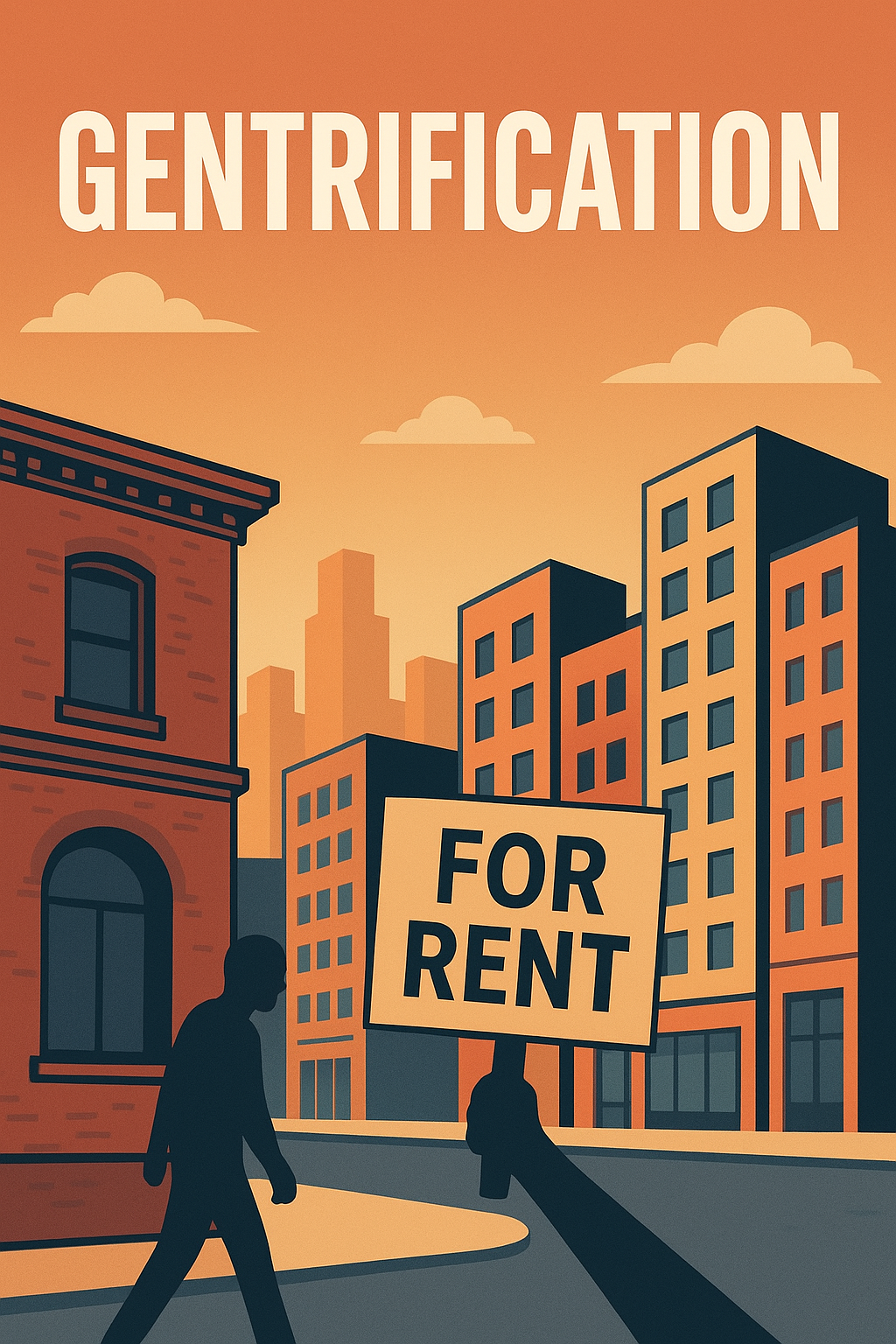
Gentrification in Cities: A Complex Urban Phenomenon
Gentrification, a term widely discussed in urban studies and sociology, refers to the transformation of neighborhoods through the influx of wealthier residents and businesses, often displacing long-time, lower-income inhabitants. This phenomenon has become particularly prominent in cities around the world, reshaping their social and cultural landscapes. While gentrification can lead to economic revitalization and improvements in infrastructure, it also raises concerns about social equity, displacement, and the erasure of local cultural identities.
The Dynamics of Gentrification
Gentrification is a multifaceted process that typically begins with economic investments in a deteriorating neighborhood. These investments may come in the form of new businesses, real estate developments, or improvements to public infrastructure. As these changes attract wealthier individuals, rents begin to rise, and the area starts to experience a shift in both its demographic and cultural composition. This influx of capital and resources often leads to the displacement of the existing community, as original residents struggle to keep up with the escalating cost of living.
Gentrification usually occurs in urban neighborhoods that were once seen as undesirable due to factors like poverty, crime, or inadequate infrastructure. However, as the city’s overall economy improves or shifts focus, these areas become attractive to new investment. New bars, cafes, and restaurants, along with luxury housing developments, begin to emerge. These changes can rapidly alter the atmosphere of a neighborhood, transforming it from a working-class area to an upmarket destination for professionals, artists, and younger generations seeking to live in trendy, revitalized spaces.
The Benefits of Gentrification
At first glance, gentrification may seem like a positive development for cities. The economic revitalization of blighted neighborhoods often leads to tangible improvements. Property values increase, which boosts local tax revenues and can result in better public services, such as improved schools, parks, and safety measures. Public infrastructure improvements like better transportation, updated street lighting, and cleaner public spaces are common outcomes.
Furthermore, the influx of businesses in gentrifying areas can create job opportunities for both new residents and long-time inhabitants. As new services and businesses cater to the growing middle and upper classes, they may create employment opportunities in hospitality, retail, and the arts. Gentrification can also lead to cultural rejuvenation, attracting artists, musicians, and entrepreneurs who contribute to the creative vibrancy of the area. In many cases, gentrified areas become hubs of artistic expression, tech startups, and creative industries, enhancing the city’s cultural capital.
The Dark Side of Gentrification
However, the benefits of gentrification are not without their drawbacks, especially for the original residents of the affected neighborhoods. One of the most significant negative consequences is the displacement of low-income communities. As rents rise and property values increase, many long-time residents, who may not have the means to keep up with the escalating costs, are forced to move. This displacement often leads to the destruction of established social networks, causing social fragmentation and a sense of alienation.
In addition, the cultural identity of a neighborhood may be lost during gentrification. As wealthier residents move in, they often bring with them a different set of preferences, lifestyles, and consumer habits. This can result in the closing of long-standing local businesses that cater to the original community, such as family-owned restaurants, barbershops, or corner stores. These businesses may be replaced by chain stores or luxury boutiques that cater to the new residents, eroding the area’s unique cultural identity.
Moreover, gentrification can exacerbate inequality within cities. While new development can lead to improved amenities and infrastructure, it often primarily benefits those with higher incomes, leaving low-income residents behind. This can further entrench the gap between rich and poor, making social mobility more difficult. The displacement effect can be especially damaging to minority communities, who are disproportionately affected by gentrification in many cities.
Case Studies of Gentrification
Numerous cities across the world have experienced gentrification in varying degrees, with some places being more successful in managing its effects than others. Let’s examine two examples: New York City and Berlin.
New York City: Over the past few decades, neighborhoods like Williamsburg in Brooklyn and Harlem in Manhattan have undergone significant gentrification. In Williamsburg, formerly an industrial area, there has been a transformation into a trendy hotspot for artists, young professionals, and tech entrepreneurs. This shift has driven up property prices, and many original residents have been pushed out. Harlem, a historically Black neighborhood, has seen a rise in rents and property values, leading to concerns about the displacement of the Black community. While these changes have led to some improvements in the neighborhoods, including better amenities and infrastructure, the social costs of gentrification remain high.
Berlin: Berlin offers a different perspective on gentrification, as the city has become an international symbol of urban change following the reunification of Germany. The areas of Kreuzberg and Neukölln, once home to immigrants and working-class residents, have seen a sharp rise in rents as international artists and young professionals have moved in. The city’s liberal atmosphere and low rents attracted many creatives, but this has also led to tensions between the newcomers and the original residents. The city has tried to address gentrification by implementing rent controls and promoting affordable housing, but the process remains an ongoing challenge.
Addressing Gentrification: Possible Solutions
While gentrification is a complex and often controversial process, there are ways for cities to manage its effects and minimize harm to vulnerable communities. One approach is through affordable housing policies that ensure a portion of new developments are reserved for low-income residents. Rent controls and rent stabilization laws can also help curb the displacement effect by limiting how much landlords can raise rents.
Additionally, promoting community land trusts—nonprofit organizations that own land and property for the benefit of the community—can help maintain affordability in gentrifying neighborhoods. By removing property from the speculative market, community land trusts can provide a long-term solution to preserve affordability while allowing for development and improvements.
Lastly, cities can support inclusive development by actively involving the community in the planning process. Engaging local residents, businesses, and organizations in decisions about development can help ensure that gentrification does not result in the marginalization of the original population. This participatory approach can create a more balanced and equitable outcome for all residents.
Conclusion
Gentrification is an inevitable aspect of urban growth in many cities, but it remains a contentious issue due to its far-reaching impacts on communities. While it brings economic benefits, such as improved infrastructure and job creation, it also contributes to the displacement of low-income residents and the loss of cultural identity. As cities continue to evolve, it is crucial for urban planners, policymakers, and communities to work together to find solutions that can balance the forces of economic revitalization with the needs of vulnerable populations. Only through careful planning and inclusive development can cities ensure that gentrification leads to positive change for all residents, not just the wealthy few.
Ponte en contacto con nosotros: totalenglishcentre.admon@gmail.com / Cristian 672 282 884